
Most rental headaches aren't caused by accidents or mechanical failures — they're caused by things you didn't notice at pickup. A dented bumper that wasn't on the contract. A fuel gauge that reads differently than you expected. A car seat latch that doesn't work quite right when you're already 30 miles down the road.
We've been in the rental business for years, and we've seen it all. Here's the checklist we wish every customer ran through before leaving the lot.
Exterior Inspection
1. Walk the full perimeter with the agent
This is non-negotiable. Walk all four sides of the vehicle — including the roof if you can see it — and note every scratch, dent, and scuff on the damage diagram before you sign anything. Take photos or a short video on your phone. This is your primary protection against being charged for pre-existing damage on return.
2. Check the tires
Look for sidewall damage, unusual wear patterns, and check that the spare tire is present and inflated (pop the trunk or lift the cargo floor panel). A flat on a highway shoulder is stressful enough without discovering you have no spare.
3. Test the lights and wipers
Turn on the headlights, brake lights (have someone stand behind), and turn signals. Hit the wipers. These are the kind of things that get missed until you're driving in the rain at night — not the moment you want to discover a problem.
Interior & Documentation
4. Photograph the fuel gauge
This is the tip most people skip and regret. Take a clear photo of the gauge before you leave. Most rentals go out full — but "full" can mean 7/8 on some gauges. Document it. If you return it to the same level shown in your photo, you have airtight proof.
5. Locate all controls before you drive
Spend two minutes in the lot familiarizing yourself with the vehicle: headlight controls, windshield defrost, hazard lights, parking brake, and fuel door release. Doing this in a parking lot beats figuring it out at 65 mph in the dark.
6. Check that the registration and insurance documents are in the glovebox
Rental vehicles are required to carry registration and proof of insurance. Open the glovebox and confirm they're there before you leave. You'll need them if you're pulled over.
Booking & Contract
7. Check your route for cashless tolls — and plan ahead
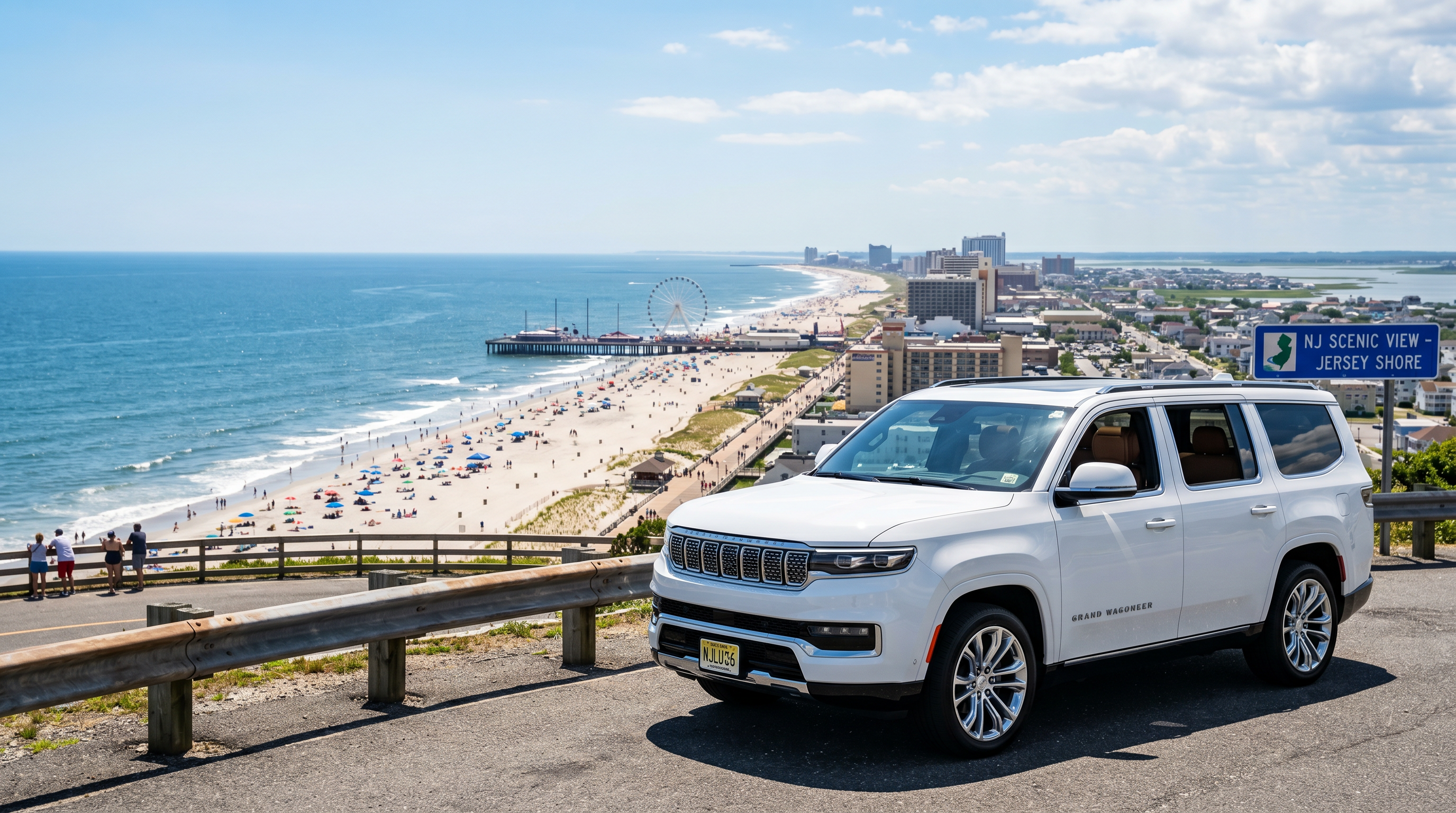
Before you leave, look up whether your route passes through cashless toll corridors. More and more highways, bridges, and tunnels — including the entire New Jersey Turnpike, Garden State Parkway, Delaware Memorial Bridge, and virtually all roads into NYC, Boston, and Pittsburgh — are now all-electronic. Cash lanes are gone. If you're not prepared, you have two options:
- Use your own E-ZPass or toll transponder. This works, but there's a catch: the transponder reads the vehicle's license plate for billing. On a rental, you need to temporarily add the rental vehicle's plate to your transponder account before you drive through. Log in to your E-ZPass account online or via the app, add the rental plate under "manage vehicles," and remove it when you return the car. Takes five minutes and ensures correct billing.
- Add the Avis Unlimited Tolls option. For a flat daily rate, Avis covers all cashless tolls with no per-toll fees and no administrative charges. If you're doing a 1–2 day trip to NYC, Boston, or Pittsburgh — cities surrounded by toll infrastructure — this option will almost certainly save you money compared to the per-toll billing that rental companies charge when no plan is active. Ask about it at booking or at the counter.
Without either option, the rental company will bill each toll after the fact using their own administrative processing — and those fees can easily double the actual toll cost.
8. Confirm the return time
Most rental contracts bill in 24-hour increments, and a one-hour overage can trigger a full extra-day charge. Confirm the exact return time, write it down, and set a reminder on your phone for one hour before.
9. Understand the fuel policy
"Prepaid fuel" sounds convenient but almost never saves you money — you pay for a full tank at above-market rates whether you return empty or not. The "return it full" policy is almost always the better deal. Top it off at a gas station within a mile of the return lot.
Safety & Comfort
10. Adjust and test before you pull out
Mirrors, seat position, headrest height. These small adjustments matter enormously on a long drive. And if you have car seats, install and test them in the lot where you have time and space. Don't rush this step.
The bottom line: This whole checklist takes about 10 minutes. It can save you hours of disputes, hundreds of dollars, and a lot of unnecessary stress. The rental agents at AntVal are always happy to do the walkthrough with you — don't hesitate to ask.