
The rental car industry has more price variability than almost any other travel category. The same car at the same location can cost $49 one day and $89 the next, depending on local demand, booking platform, and a dozen other factors. Here's how to consistently land on the cheaper end.
Book at the Right Time
Contrary to what many people assume, booking further in advance doesn't always guarantee the best rate. Rental car pricing is dynamic — it responds to supply and demand in real time. The sweet spot for most trips is 2–4 weeks out. Beyond that, you may overpay for speculative demand. Within a week, inventory thins and prices spike.
Midweek pickups (Tuesday and Wednesday) are almost always cheaper than weekend pickups. If your schedule is flexible, adjust your pickup day even if it means a short drive on your own.
One more trick: book a reservation, then check back regularly. Rental companies reprice constantly. If the rate drops, rebook at the lower price — most rentals allow free cancellation up to the pickup time.
Use Loyalty Programs
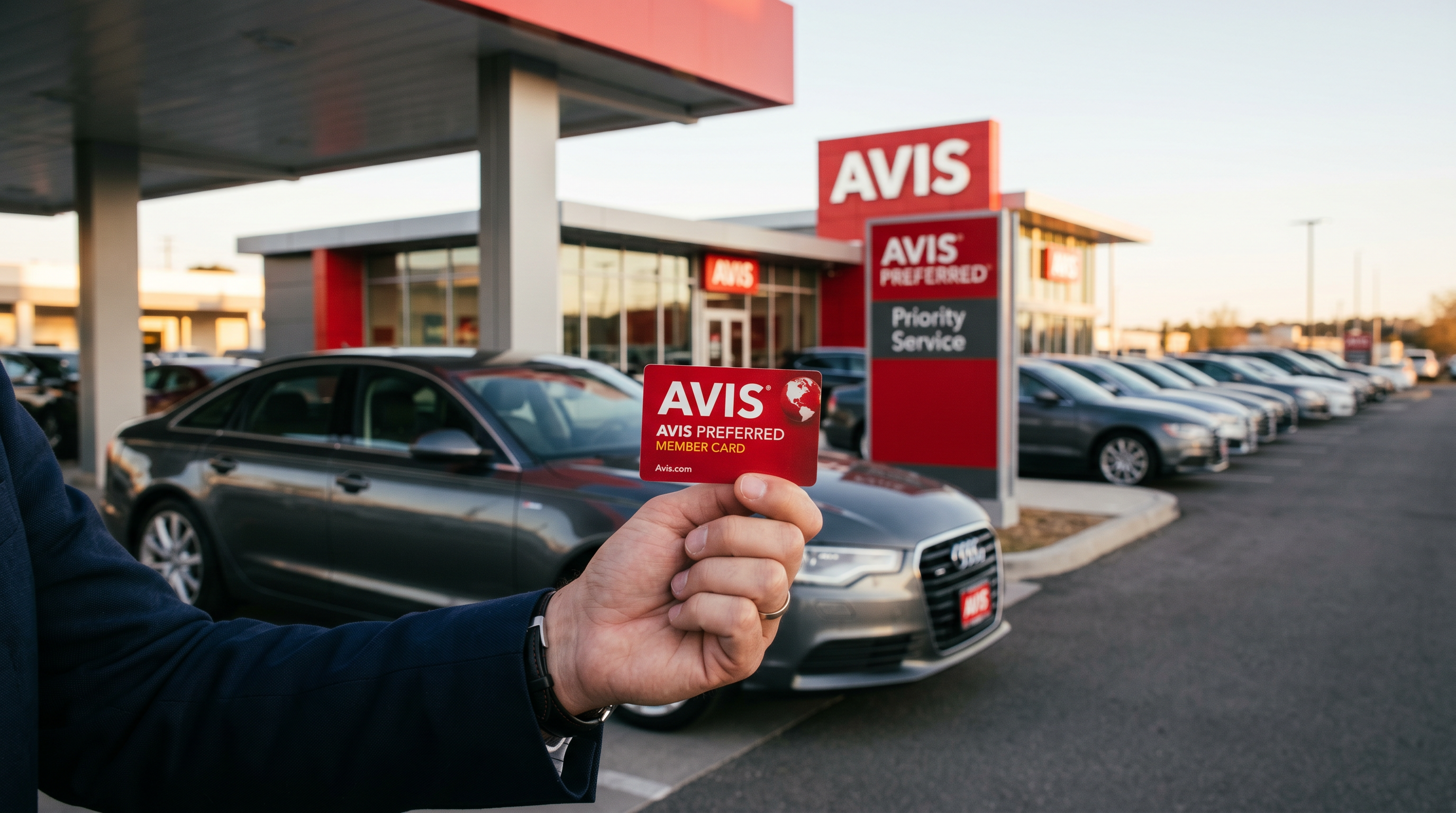
Avis Preferred and Budget FastBreak are both free to join and genuinely worth using. Benefits include:
- Skip the counter. Your car is pre-selected and waiting. At busy airport locations, this can save 30–45 minutes.
- Earn points toward free rental days. Points accumulate faster than most hotel programs.
- Occasional member-only discounts that aren't available to the general public.
- Status upgrades. Frequent renters can earn One Club Gold or Preferred Plus status for guaranteed upgrades and bonus points.
Sign up at avis.com or budget.com before your next rental. There's no fee and no minimum commitment.
Protection & Coverage — Why Rental Coverage Is Often Worth It
Most renters assume their personal auto insurance or credit card "has them covered." The reality is more nuanced — and understanding the gaps can save you from a very expensive surprise.
The Deductible Problem
Your personal auto insurance almost certainly extends to rental cars — but it comes with your deductible attached. If you carry a $500, $1,000, or $2,000 deductible, that's your out-of-pocket exposure before your insurer pays anything. A fender bender in a parking lot could cost you exactly that. The Loss Damage Waiver (LDW) at $16–$31/day eliminates your financial liability entirely — zero deductible, no claim filed with your personal insurer, no risk of your rates going up. For a week-long trip, that's roughly $112–$217 to completely wall off your personal policy from any rental incident.
Credit Cards: The Secondary Coverage Trap
Nearly every travel credit card advertises "rental car coverage" — but the fine print matters enormously. The vast majority of credit cards, including most Visa, Mastercard, and Discover products, provide only secondary coverage. That means your personal auto insurance pays first (including your deductible), and the card only covers what remains. You still file a claim with your insurer. Your rates can still go up.
Only a small number of premium cards offer primary coverage — most notably Chase Sapphire Preferred and Reserve and Amex Platinum. If you don't carry one of those specific cards, your credit card coverage is a backstop, not a shield. And nearly all cards exclude cargo vans, moving trucks, and passenger vans entirely — meaning the Budget ProMaster you rented for a college move or furniture haul has zero credit card protection regardless of what card you used to pay.
The Coverage Options Worth Knowing
- Loss Damage Waiver (LDW). $16–$31/day. Covers damage or theft of the vehicle — with zero deductible and zero impact on your personal insurance or rates. The most valuable add-on for most renters.
- Additional Liability Insurance (ALI). Covers damage you cause to other vehicles or property beyond the basic liability included in the rental. Especially useful when driving in unfamiliar cities or high-traffic corridors.
- Personal Accident Insurance (PAI). Covers medical costs for you and your passengers. May overlap with solid health coverage, but worth reviewing for family road trips with multiple passengers.
Bottom line: if you carry a Chase Sapphire or Amex Platinum and have a low deductible on your personal auto policy, you may be well-covered without add-ons. For everyone else, the LDW in particular delivers real value — especially on longer trips or anytime you're driving a truck or van where credit card coverage doesn't apply.
Unlimited Tolls — A Surprisingly Smart Add-On
If your trip takes you through toll-heavy corridors — think the Garden State Parkway, New Jersey Turnpike, or any Mid-Atlantic coastal route — Avis's Unlimited Tolls add-on deserves a serious look. For a flat daily rate, you get unlimited toll coverage with no administrative fees, no invoices arriving weeks later, and no worrying about E-ZPass compatibility.
Here's why it often pays off:
- No post-trip billing surprises. Without a toll plan, rental companies charge each toll plus a per-day administrative fee — which can easily exceed the cost of the tolls themselves on a multi-day trip.
- Drive express lanes freely. Cash and card toll lanes add time. With unlimited tolls, you roll through cashless lanes without a second thought.
- Especially valuable on coastal routes. A Jersey Shore to Cape May drive, a Delaware shore run, or any NYC-area trip can rack up $20–$40+ in tolls quickly. The flat-rate plan frequently breaks even after one busy driving day.
Ask about Unlimited Tolls when booking or at the AntVal counter — it's available on Avis rentals and is one of the few add-ons that can genuinely save money compared to paying as you go.
Other Ways to Save
- Return it full. Prepaid fuel options almost always cost more per gallon than a nearby gas station. Return the car full and pocket the difference.
- Skip airport locations when possible. Airport rentals include facility fees that can add 20–30% to the base rate. If there's an off-airport AntVal location convenient to you, use it.
- Check AAA, AARP, and corporate codes. Discount codes from memberships you already have can shave 10–20% off base rates.
- One-way deals. When a company has a surplus of vehicles in one city and a shortage in another, they'll offer deeply discounted one-way rates to balance the fleet. Check for these if your itinerary is flexible.