Quick answer: Renting usually makes sense for seasonal demand, temporary projects, replacement vehicles and changing transportation needs. Ownership can make more sense when a vehicle will be used consistently for years and the business is prepared for maintenance, storage and depreciation.
The right decision depends on how often your business needs vehicles, what kind of work they support and whether demand is steady or changing.
1. Temporary Projects Do Not Always Need Permanent Vehicles
If your business has a short-term contract, construction project, event schedule, seasonal route, or temporary client assignment, purchasing a vehicle may create more commitment than the job requires.
A rental can help your team cover the project without adding another vehicle to your balance sheet after the work is done.
This is especially useful when the project requires a specific type of vehicle:
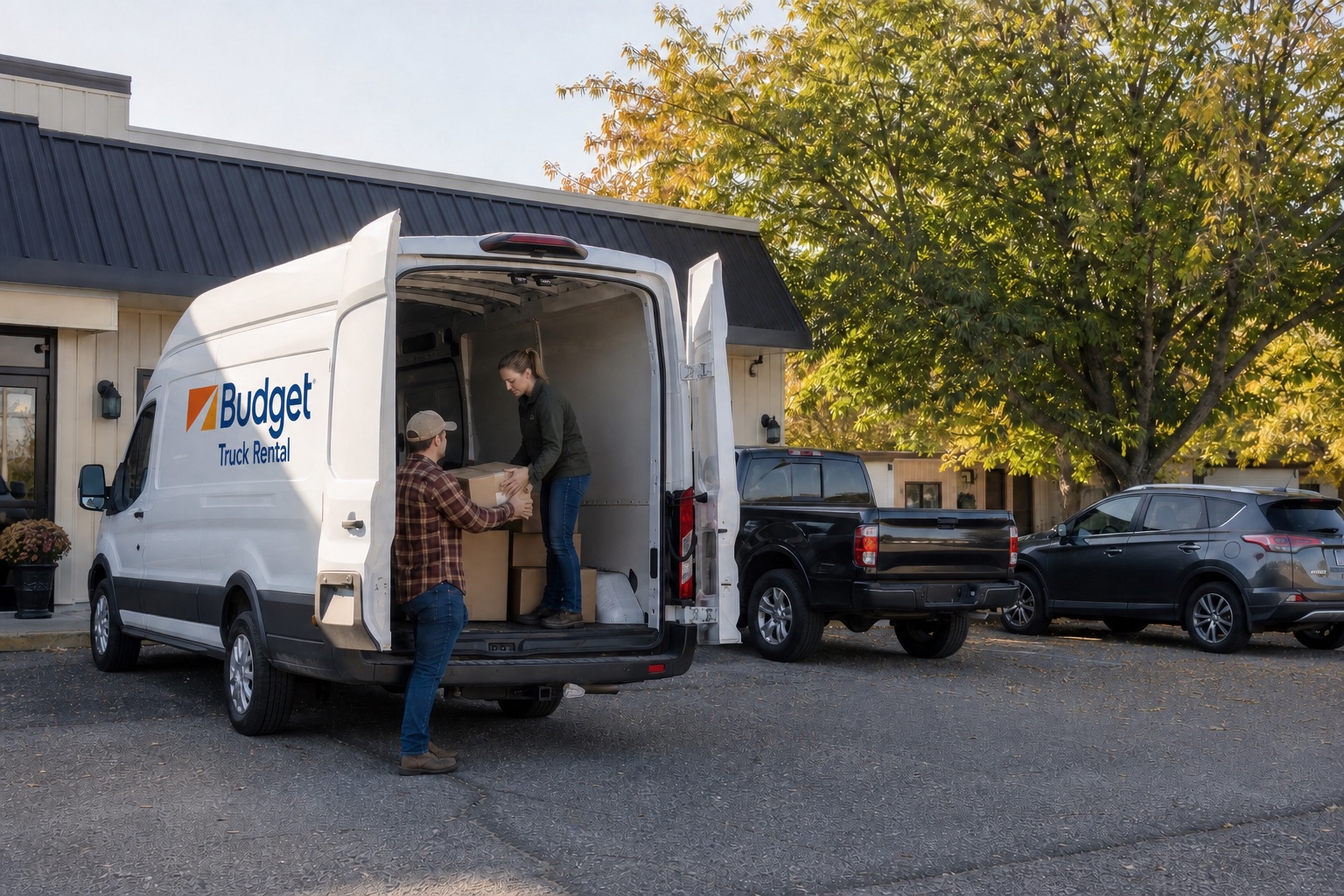
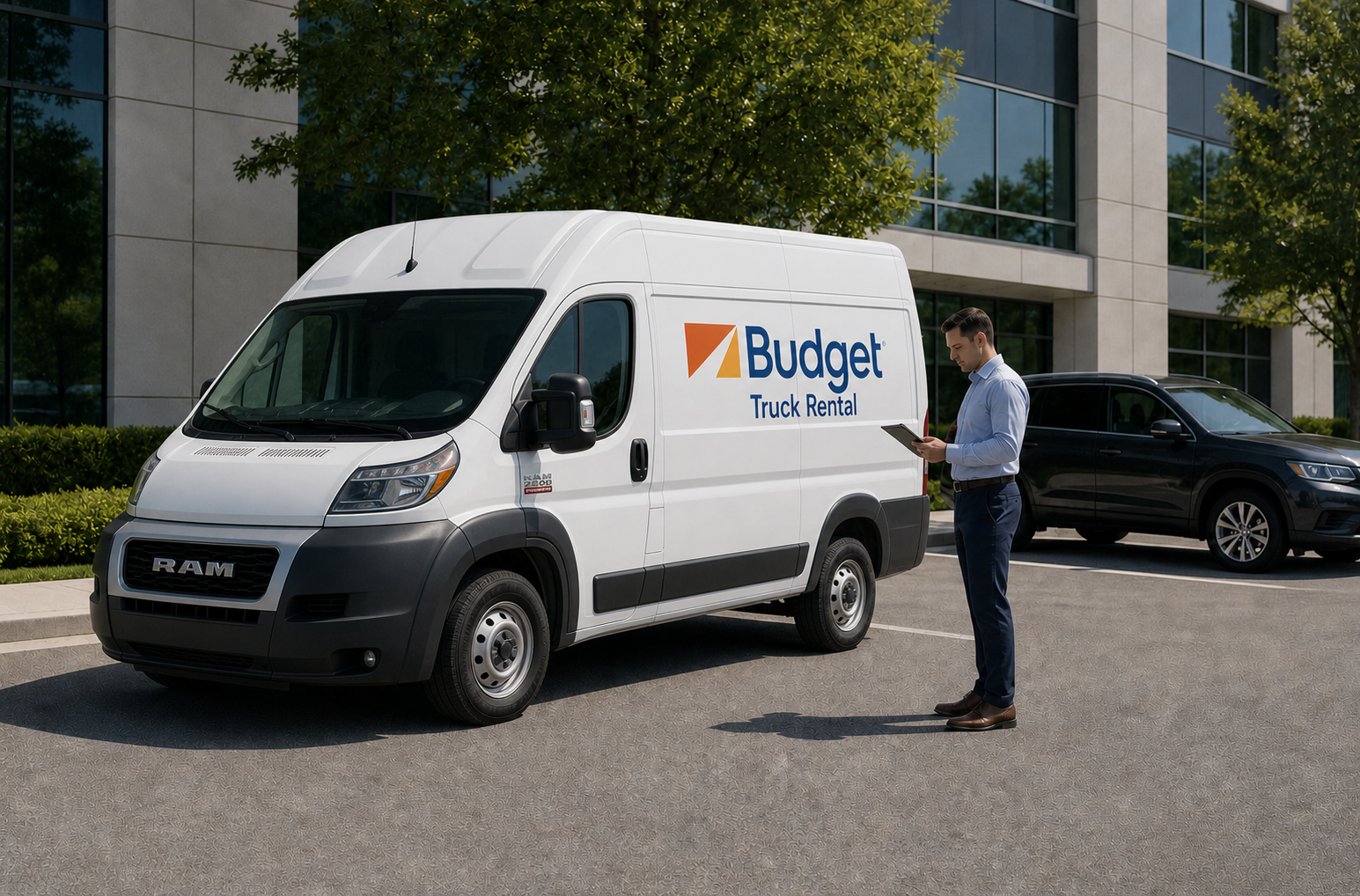
- Cargo vans for deliveries or equipment
- Pickup trucks for job sites and materials
- Passenger vans for employee or group transportation
- SUVs for sales travel, client visits, and regional work
2. Seasonal Demand Can Change Quickly
Some businesses are busy all year. Others have clear spikes.
Landscaping companies, retailers, event teams, healthcare providers, schools, contractors, and service businesses may need extra vehicles for a few weeks or months, then far fewer vehicles afterward.
Renting lets you scale up during the busy period and scale back when demand returns to normal. That flexibility can be much easier than owning vehicles that sit unused for part of the year.
3. Rentals Keep Work Moving When a Company Vehicle Is Down
When a company vehicle goes into the shop, the repair is only part of the problem. The bigger issue is lost productivity.
If a technician, salesperson, manager, or delivery driver cannot get on the road, appointments get delayed and revenue can be affected.
A rental vehicle can bridge the gap while your owned vehicle is being repaired, inspected, or replaced. Instead of rearranging schedules around a breakdown, your team can keep working.
4. Renting Reduces Maintenance and Depreciation Pressure
Owning a company vehicle means taking responsibility for more than the monthly payment.
Businesses also have to think about:
- Oil changes and routine service
- Tires and brakes
- Unexpected repairs
- Vehicle downtime
- Depreciation as mileage increases
- Registration, inspections, and fleet administration
Renting does not remove every transportation cost, but it can reduce the long-term responsibilities that come with ownership, especially for vehicles your company only needs part-time.
5. Renting Helps You Match the Vehicle to the Job
One owned vehicle may not fit every business need.
A sedan may be fine for client visits, but not for moving displays. A pickup may handle job-site materials, but may not be ideal for airport pickups or executive travel. A large van may be useful one week and too much vehicle the next.
Renting gives your business more choice. You can select the vehicle that fits the task instead of forcing every task into the vehicle you already own.
6. Avoid Paying for Vehicles That Sit Parked
One of the hidden costs of ownership is underuse.
If a vehicle is only needed a few days per month, the business may still be paying for insurance, maintenance, financing, and depreciation during the days it sits parked.
In that situation, renting can be a cleaner solution. You pay for access when the need exists, then return the vehicle when the job is complete.
7. Renting Is Useful When Testing New Markets or Contracts
Expanding into a new territory, adding a service area, or taking on a new client can be exciting, but it also comes with uncertainty.
Before buying another company vehicle, renting can help you test the need. If the new business becomes consistent, ownership may make sense later. If the work changes, your company has not locked itself into a permanent fleet decision too early.
When Owning Still Makes Sense
Renting is not always the answer. If your company uses the same vehicle every day, puts predictable mileage on it, and needs permanent branding, custom shelving, or specialized equipment, ownership may still be the better long-term choice.
The key is not choosing renting or owning in every situation. The best businesses often use both: owned vehicles for steady daily needs, rentals for overflow, projects, travel, seasonal work, and replacements.
How AntVal Rentals Helps Business Customers
As a locally owned Avis Budget operator serving South Jersey, AntVal Rentals works with businesses that need transportation without unnecessary complexity.
We regularly help companies with:
- Temporary replacement vehicles
- Daily and long-term business rentals
- Seasonal fleet support
- Cargo vans, pickup trucks, SUVs, and passenger vans
- Client travel and employee transportation
- Business account guidance
Final Thought
Company vehicles should help your business move, not weigh it down.
If your transportation needs change by project, season, employee schedule, or repair cycle, renting can give your company flexibility while helping control the costs and responsibilities that come with ownership.
For many businesses, the right question is not, "Should we own vehicles?" It is, "Which vehicles do we need to own, and which ones should we rent only when the work calls for them?"