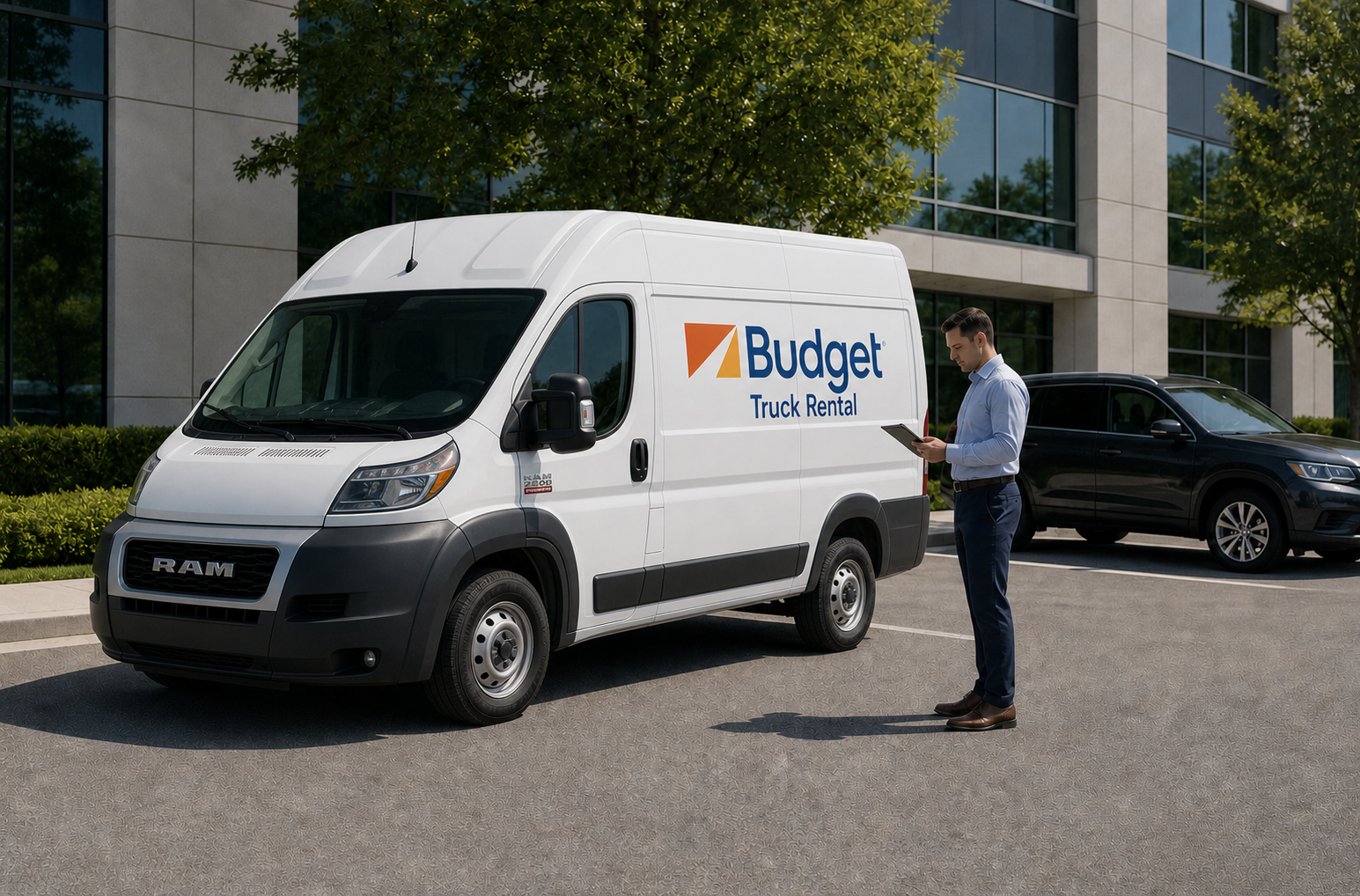

Quick answer: Commercial vehicle rentals can help a business add cars, SUVs, pickups or vans when demand rises—without making every temporary need a permanent fleet purchase. They are especially useful for seasonal delivery spikes, short contracts, special events and company vehicle downtime.
The value is flexibility. A business can add the type of vehicle the work requires, use it for the needed period and return it when demand settles. The key is planning early enough to match availability, drivers and operating costs to the job.
When Flexible Rentals Are a Good Fit
Seasonal demand does not always arrive in a neat calendar window. Retail promotions, landscaping seasons, construction schedules, school programs, events and new customer contracts can all create a temporary need for more transportation.
A commercial rental strategy may help when your business faces:
- A predictable holiday or seasonal rush
- A short-term delivery or service contract
- A company vehicle undergoing repairs
- A new route that has not yet proven permanent
- An event, conference or group transportation need
- A temporary employee or project team
If the transportation need has a clear beginning, end or testing period, renting can be easier to adjust than buying first and asking questions later.
Match the Vehicle to the Work
Flexible capacity only works when each vehicle fits its assignment. Begin with what the driver must carry, how many stops are involved and where the route goes.
| Vehicle type | Common business use | Planning question |
|---|---|---|
| Car or SUV | Client visits, regional travel and employee transportation | How many passengers and how much luggage? |
| Pickup truck | Project materials, outdoor work and bulky items | Can the load be safely secured and protected? |
| Cargo van | Local deliveries, tools, inventory and equipment | Will the largest item fit through the opening? |
| Passenger van | Crews, teams and group transportation | How many people and bags need seats and space? |
| Moving truck | Large deliveries, office moves and higher-volume loads | Does the route accommodate the truck size? |
Vehicle classes, dimensions and features vary. Confirm the available vehicle and the job requirements with the rental location rather than planning around an assumed model.
How Rentals Help During Delivery Spikes
A busy week can expose a delivery bottleneck quickly. Employees may be ready, orders may be packed, but the owned fleet cannot cover every route without overtime or repeated trips.
Temporary vehicles can be assigned to overflow routes, inventory transfers, local service calls or scheduled customer deliveries. This can help protect the regular fleet from being stretched beyond its practical capacity.
For a local delivery operation, a cargo van often balances enclosed space with manageable driving. A pickup truck may be better for a smaller number of bulky or outdoor-project items. Our pickup truck versus cargo van guide compares those choices in more detail.
Compare the Total Operating Plan
The rental rate is important, but it is not the only number. A more useful comparison includes every cost and constraint connected to the assignment.
- Number of rental days and expected mileage
- Fuel, tolls and parking
- Insurance or protection decisions under company policy
- Driver eligibility and scheduling
- Loading time and the number of trips required
- The cost of delaying deliveries or leaving work uncovered
A smaller vehicle may have a lower initial cost but require more trips. A larger vehicle may carry more but create parking or driver-comfort challenges. Compare the complete route, not just the vehicle category.
Build a Simple Capacity Plan
You do not need a complex fleet model to plan a seasonal rental. A short worksheet can make the conversation with the rental location much more productive.
- Estimate the peak: identify the busiest days, routes or project weeks.
- Count the gap: determine what the current fleet and drivers cannot cover.
- Describe the work: list passengers, cargo dimensions, stop count and route conditions.
- Select the class: choose the smallest practical vehicle that can safely complete the assignment.
- Reserve early: availability can tighten during popular travel, moving and seasonal periods.
- Review results: track usage, completed stops and whether the same need is likely to return.
When an Avis Business Account Can Help
Companies that rent repeatedly may benefit from organizing rentals through an Avis business program rather than treating every reservation as an unrelated transaction.
Avis For Business supports customized billing solutions, including direct billing setup for members. Approval, participation, rates, rewards and vehicle availability are governed by Avis program terms and the applicable rental location.
AntVal Rentals can provide local information and help your company understand the next step. Read our Avis Business Account and direct billing guide for a practical overview.
Understand the Limits of Short-Term Rentals
Rentals are flexible, but they are not identical to permanently assigned fleet vehicles. Plan around the practical limitations:
- The exact make, model and configuration may vary
- High-demand dates can reduce vehicle availability
- Permanent wraps, shelving or custom equipment may not be possible
- Drivers still need to meet rental requirements
- The company must plan for fuel, tolls, parking and return timing
- Permitted use and protection choices should be confirmed before pickup
These are planning issues, not reasons to avoid renting. Addressing them early makes the rental much easier to use operationally.
A Hybrid Fleet Can Offer the Best Balance
Many businesses do not need an all-rental or all-owned answer. A hybrid approach can use owned vehicles for stable, everyday work and rentals for seasonal peaks, special vehicle classes, temporary projects and downtime.
This gives the company a permanent base without forcing it to maintain enough owned vehicles for the busiest week of the year. If temporary demand becomes steady and predictable, the business can revisit whether ownership makes sense later.
Frequently Asked Questions
How far ahead should a business reserve seasonal vehicles?
As early as the demand window is known. Vehicle availability varies, and popular travel or moving periods can tighten the selection.
Can a business rent vehicles only for its busiest days?
Yes, subject to availability and the rental terms. Compare daily, weekly or longer arrangements based on how many days the assignment actually requires.
What is the best rental vehicle for local deliveries?
It depends on the cargo. Cargo vans are practical for enclosed boxes, inventory and equipment. Pickups can suit bulky or project-related items. Moving trucks may be more efficient for high-volume loads.
Does Avis support direct billing for business accounts?
Yes. Avis states that Avis For Business members can set up direct billing. Account approval, setup and program terms apply.
Plan Your Temporary Vehicle Capacity
AntVal Rentals serves South Jersey through our Lawnside, Deptford and Mickleton locations. Tell us what your team needs to carry, how long the demand will last and how often the vehicles will be used. We can help you begin with a practical vehicle and rental plan.